Late Stage Capitalism Is In Your Bed
Burnout doesn’t usually show up because you’re weak. More often, it settles in quietly under the weight of constant productivity, financial pressure, and the subtle message that your value is tied to output. One of the most overlooked factors shaping our mental health and intimate lives isn’t personal failure.
It’s the economic climate we’re living inside.
Not the abstract kind. The lived, nervous-system kind.
How Late-Stage Capitalism Enters the Nervous System
In what economists and cultural theorists call Late Capitalism, productivity is moralized. Optimization is rewarded. Rest is framed as indulgent. Technology ensures we are reachable, visible, and measurable at all times.
This isn’t just cultural commentary. It’s physiological.
When the nervous system remains in chronic low-grade threat, financial uncertainty, social comparison, professional precarity, it adapts by prioritizing survival over pleasure. Cortisol rises. Attention narrows. The body conserves. Desire, creativity, and erotic play require surplus energy. Chronic pressure erodes that surplus.
How Productivity Culture Erodes Intimacy
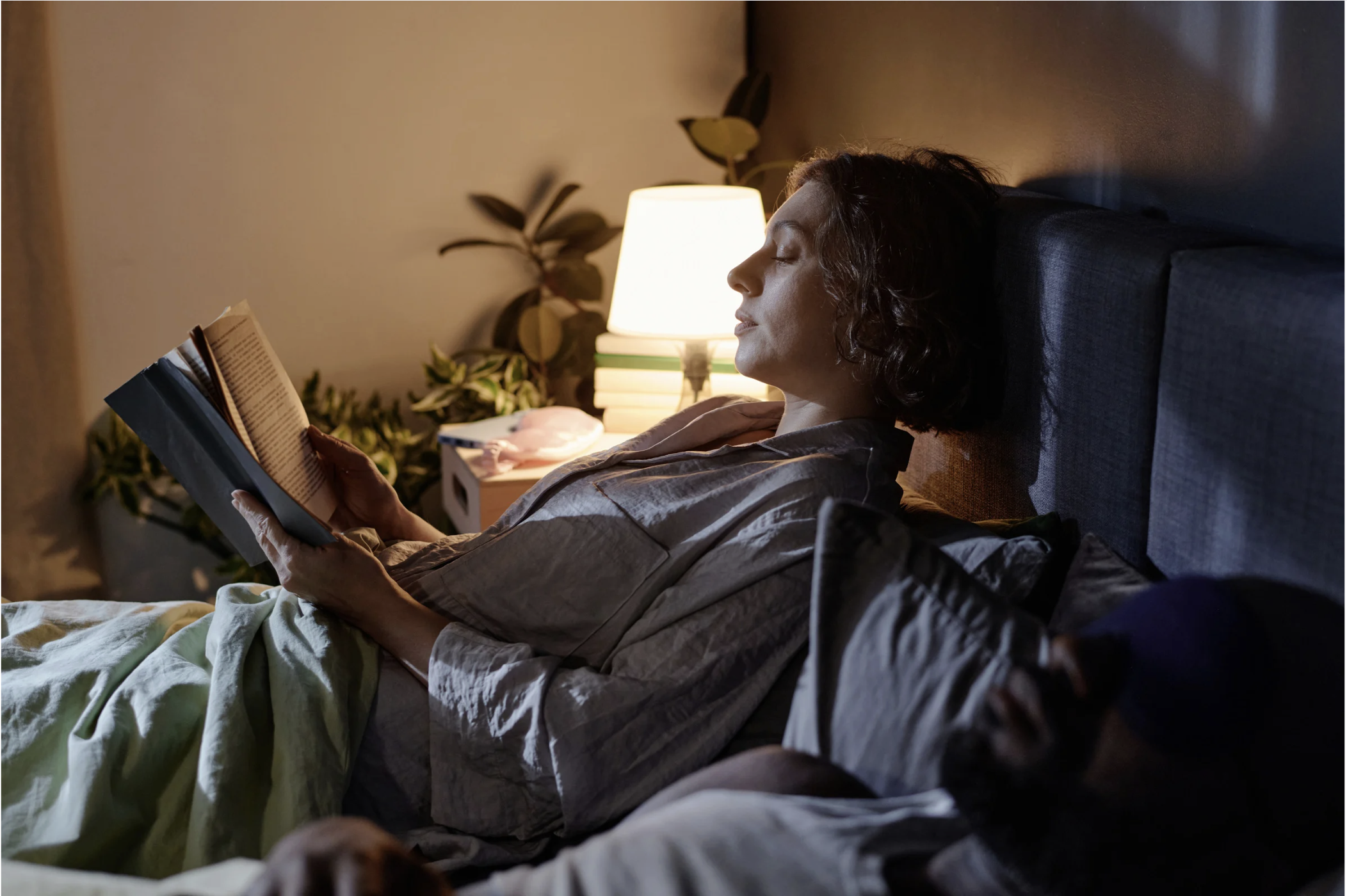
Early in relationships, we tend to prioritize connection. We carve out time. We’re attentive. Over time, work expands to fill available space. Notifications creep into evenings. Fatigue becomes baseline. This isn’t because love disappears. It’s because bandwidth does.
Intimacy thrives on:
-
Slowness.
-
Presence.
-
Psychological spaciousness.
A performance economy trains us in the opposite direction. When you bring achievement metrics into your relationship, are we communicating well enough? Are we having enough sex? Are we evolving fast enough? Connection can begin to feel like another arena for evaluation. Eroticism does not flourish under evaluation. It flourishes under safety.
Dating in a Marketplace Mentality
Modern dating platforms like Tinder and Hinge mirror broader market logic: infinite options, quick comparison, constant upgrading. Swipe culture subtly trains the brain to assess rather than attach. Choice overload increases anxiety. Disposable framing decreases investment. Profiles replace embodied presence. It becomes harder to tolerate imperfection, ambiguity, or gradual attachment, all of which are necessary for depth.
Why This Impacts Desire (Not Just Mood)
We often compartmentalize mental health and sexuality, but they share the same biological infrastructure. If your system is chronically activated, it will prioritize vigilance over vulnerability. If you feel evaluated, at work, online, even at home, your body may brace rather than open.
Desire requires:
-
Safety.
-
Autonomy.
-
Non-productivity.
When people feel like they are constantly performing, professionally or relationally, erotic energy contracts. It’s difficult to move toward pleasure when you’re managing survival. Low libido in this context is not dysfunction. It may be adaptation.
What This Is Not
This isn’t an argument against ambition, success, or technology. It’s not about romanticizing struggle or abandoning responsibility. It’s about recognizing context. If you are exhausted, disconnected, or less interested in sex than you once were, it may not be a personal deficit. It may be that your nervous system has been living in overdrive for too long. Pathologizing yourself without examining the system keeps the problem individualized, and shame intact.
Practicing Relational Resistance
We cannot single-handedly dismantle an economic structure. But we can create micro-climates inside our relationships that interrupt its effects.
-
Decouple worth from output: Your desirability is not a KPI.
-
Protect device-free space: Presence is foreplay.
-
Reclaim pleasure as non-productive: Not everything intimate needs to heal, grow, or optimize you.
-
Normalize depletion as context: Sometimes the issue isn’t chemistry. It’s capacity.
Small shifts toward spaciousness tend to do more for desire than dramatic reinventions.
A Final Thought
Mental health and intimacy don’t exist in a vacuum. They unfold inside economic systems, cultural expectations, and technological ecosystems that shape our nervous systems daily. You are trying to cultivate depth in a culture that rewards speed. Of course it feels challenging. The work isn’t just about communicating better or scheduling more sex.
It’s about asking:
-
Where am I still performing?
-
Where can I allow myself to simply be?
Desire grows in spaces where evaluation softens and presence returns.
Want to Explore This More?
At Riviera Therapy, we help individuals and couples examine how stress, productivity culture, and relational patterns intersect, and build connection that feels less performative and more alive. Because intimacy doesn’t thrive in survival mode.
Do you have sexy topics you want discussed? Reach out and let Dr. Jenn know.

Related Posts

This Post Has 0 Comments